At a Glance
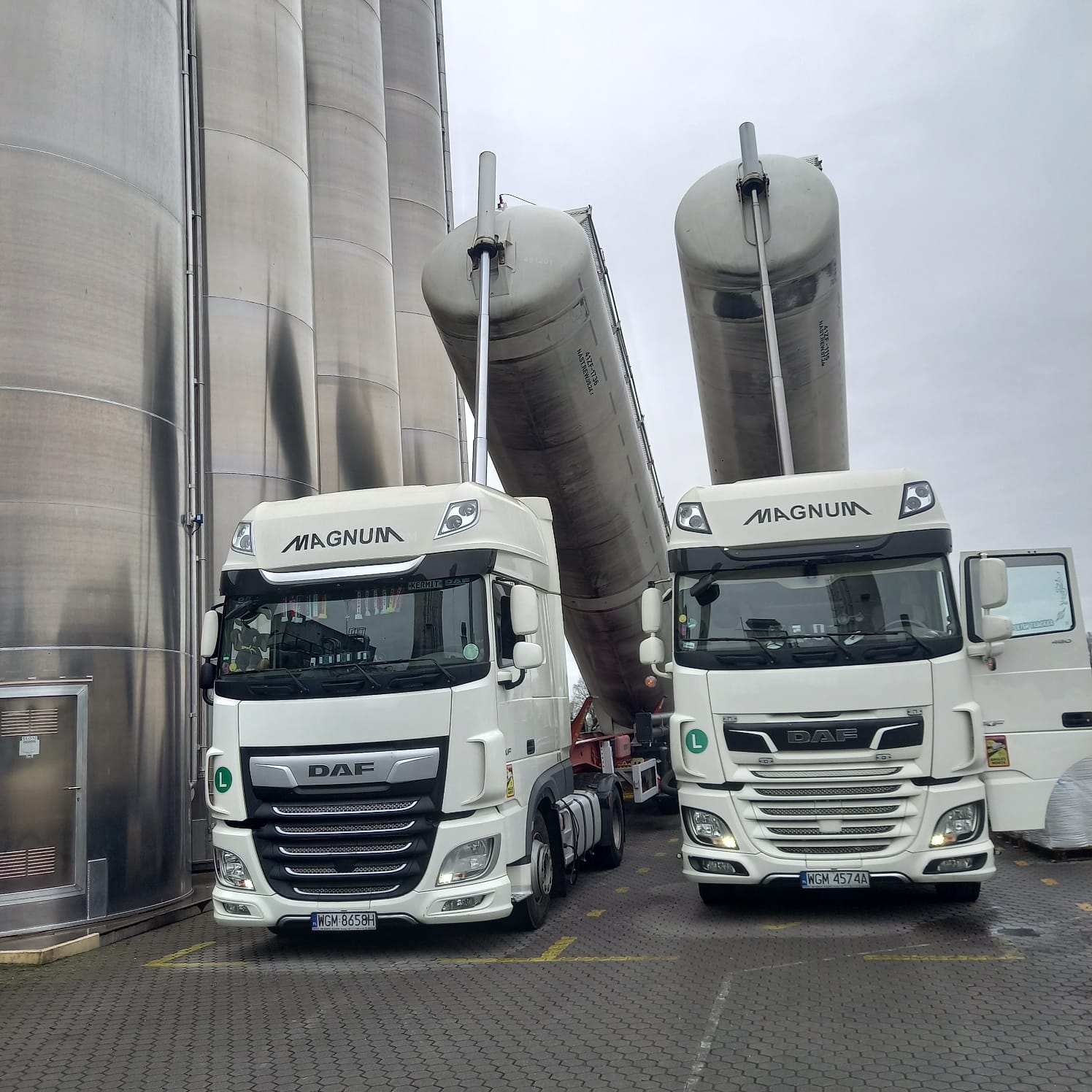
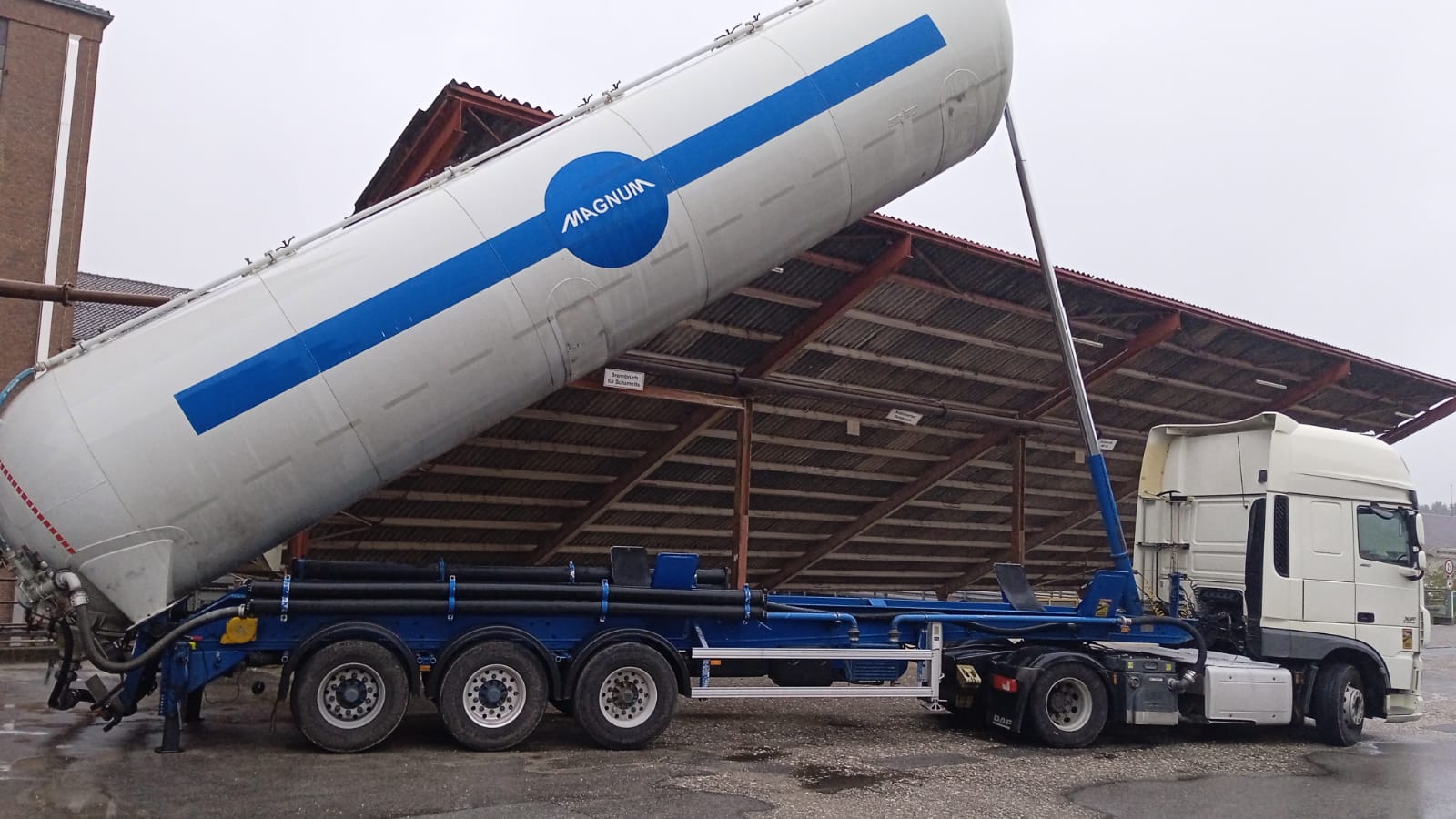
Poland occupies the geographic centre of continental Europe — and that matters more for supply chain costs than most importers realise. A bulk transloading terminal in Silesia combines lower operating costs than Germany, motorway access to all Central European markets, and direct connections to the Baltic ports handling Asian container traffic. For PE/PP polymer importers shipping from Korea or China, Poland is not a compromise — it is the optimal location. SMIALA terminal in Chorula near Opole handles up to 200 tonnes per day with a warehouse buffer for 2,000 big-bags.
Geography: the centre of Central European manufacturing
The Opole/Silesia region sits at the intersection of two critical logistics axes:
- East–west axis: A4 motorway from the German border (Görlitz) through Wrocław, Opole, Katowice to Kraków
- North–south axis: A1 motorway from the Baltic port of Gdańsk through Łódź, Gliwice to the Czech border
This intersection means a single terminal in Chorula near Opole serves all of Central Europe without the detours required when operating from western Germany or Austria.
Drive times from SMIALA terminal:
| Destination | Distance | Drive time |
|---|---|---|
| German border (A4/Görlitz) | 180 km | 1.5 h |
| Dresden | 215 km | 2.5 h |
| Prague | 270 km | 3 h |
| Vienna | 450 km | 4.5 h |
| Munich | 510 km | 5 h |
| Frankfurt | 620 km | 6.5 h |
| Port of Gdańsk | 450 km | 4.5 h |
| Port of Hamburg | 750 km | 7.5 h |
Cost advantage vs Germany
Operating costs in Poland are materially lower than in Western Europe:
- Labour: approximately 35–45% lower than Germany for warehouse and transport operations
- Property: commercial warehouse rental in Silesia is 40–60% lower than comparable space in the Ruhr area or Netherlands
- Regulatory overhead: same EU regulatory environment but lower baseline wage costs
For an importer sourcing 2,000 tonnes per month of PE granulate from Korea, the operational cost difference between a Poland-based and Germany-based terminal typically amounts to five-figure annual savings that remain in your supply chain budget.
Port access: Gdańsk and Hamburg
Port of Gdańsk (DCT / Baltic Hub)
The Port of Gdańsk has grown as a Baltic transshipment hub. Container lines from Korea, China, and Japan increasingly offer direct Baltic services through Gdańsk:
- Distance to SMIALA: ~450 km via A1 motorway
- Transit by truck: 4.5 h direct
- Advantage: shorter inland road leg to Central European destinations and lower terminal/dray costs
Port of Hamburg
Germany’s largest port remains the primary gateway for Asian containers in North Europe:
- Distance to SMIALA: ~750 km
- Transit by truck: 7–8 h (overnight feasible)
- Advantage: more frequent direct services on Asian mainline routes
Both ports are served efficiently from SMIALA. For regular import flows, Gdańsk’s shorter distance is a meaningful cost and reliability advantage.
Customs and regulatory environment
Poland is a full EU member since 2004. Key implications for polymer importers:
- EU Customs Union: goods cleared in Poland need no additional customs procedures in other EU member states
- EU REACH compliance: same chemical substance regulations as Germany or Austria apply in Poland
- VAT: Polish VAT rules apply at import; EU-registered companies recover input VAT in the standard EU manner
- TDT compliance: vehicles operating in Poland are subject to Polish and EU transport regulations — the same framework as in Germany
Why Silesia specifically
Silesia is one of the most industrially dense regions in Central Europe. Within a 200 km radius of SMIALA terminal:
- Polish manufacturing: Orlen petrochemical complex, Synthos chemical plants, plastics converters, automotive suppliers
- Czech manufacturing: Ostrava/Brno industrial corridor, Škoda supply chain
- German manufacturing: Saxony industrial corridor, Bavarian plastics and automotive cluster
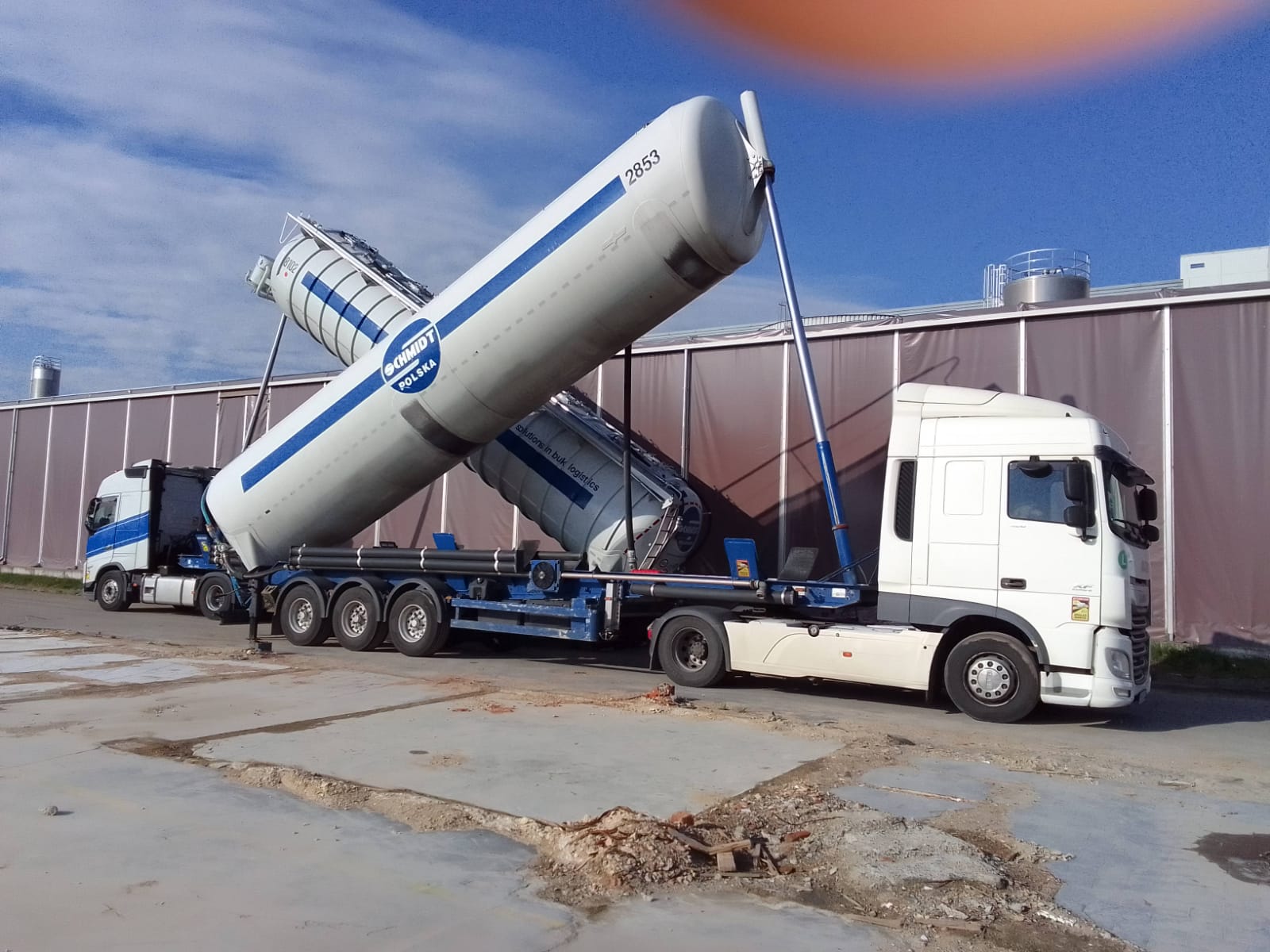
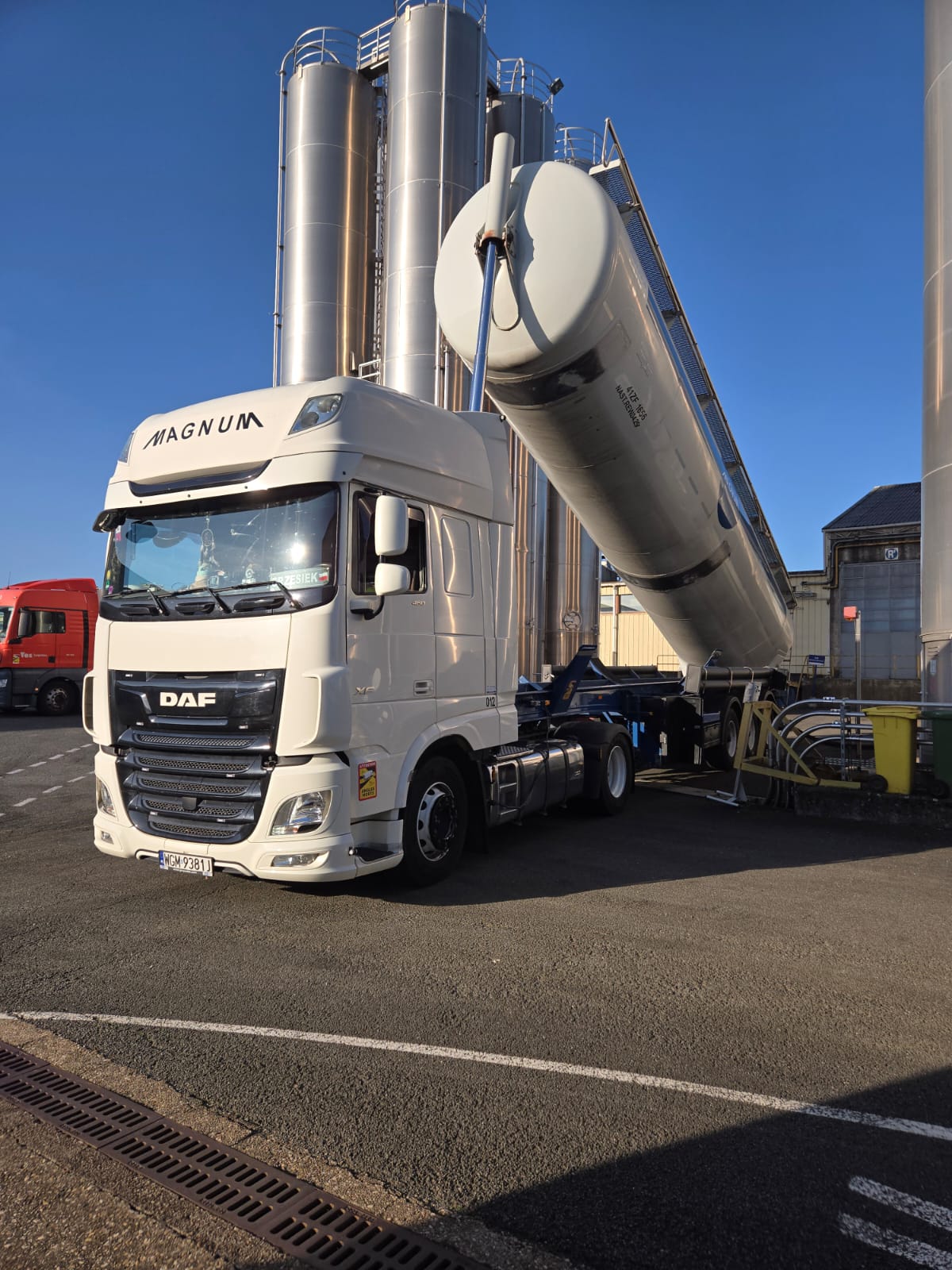
This density means silo trailer deliveries from SMIALA are short and efficient — lower cost per tonne-kilometre than operating from a western German terminal to the same destinations.
Comparison summary for importers
| Factor | SMIALA (Poland) | Germany terminal |
|---|---|---|
| Operating cost | 35–45% lower | Higher baseline |
| Motorway access | A4 to DE/AT/CZ direct | Excellent but congested |
| Distance to Central EU converters | 0–500 km | 0–600 km |
| Customs | EU Customs Union | EU Customs Union |
| Port access | Gdańsk 450 km, Hamburg 750 km | Hamburg 0–200 km |
| Cost to serve DE/AT/CZ markets | Low | Moderate–high |
For PE, PP, or other polymer granulate importers from Korea or China, a Poland-based transloading terminal combines cost efficiency with geographic centrality and full EU regulatory compliance.
Contact SMIALA to discuss your import volumes and routing:
- Phone: +48 664 135 005 (Mon–Fri 06:00–20:00)
- Email: biuro@magnumchorula.pl
Request a quote | Transloading services | Warehousing | Full service range at PHS Magnum
Related: How to choose a bulk transloading terminal · Dry bulk polymer transport in Europe · Central Poland logistics hub